See Designer
materials in real life
Chat on WhatsAppmaterials in real life
Designer
consultation
consultation
Pinteresty
materials
materials
Live store
tour
tour
Curated for
aesthetic homes
aesthetic homes
10K+10,000+
homes
homes
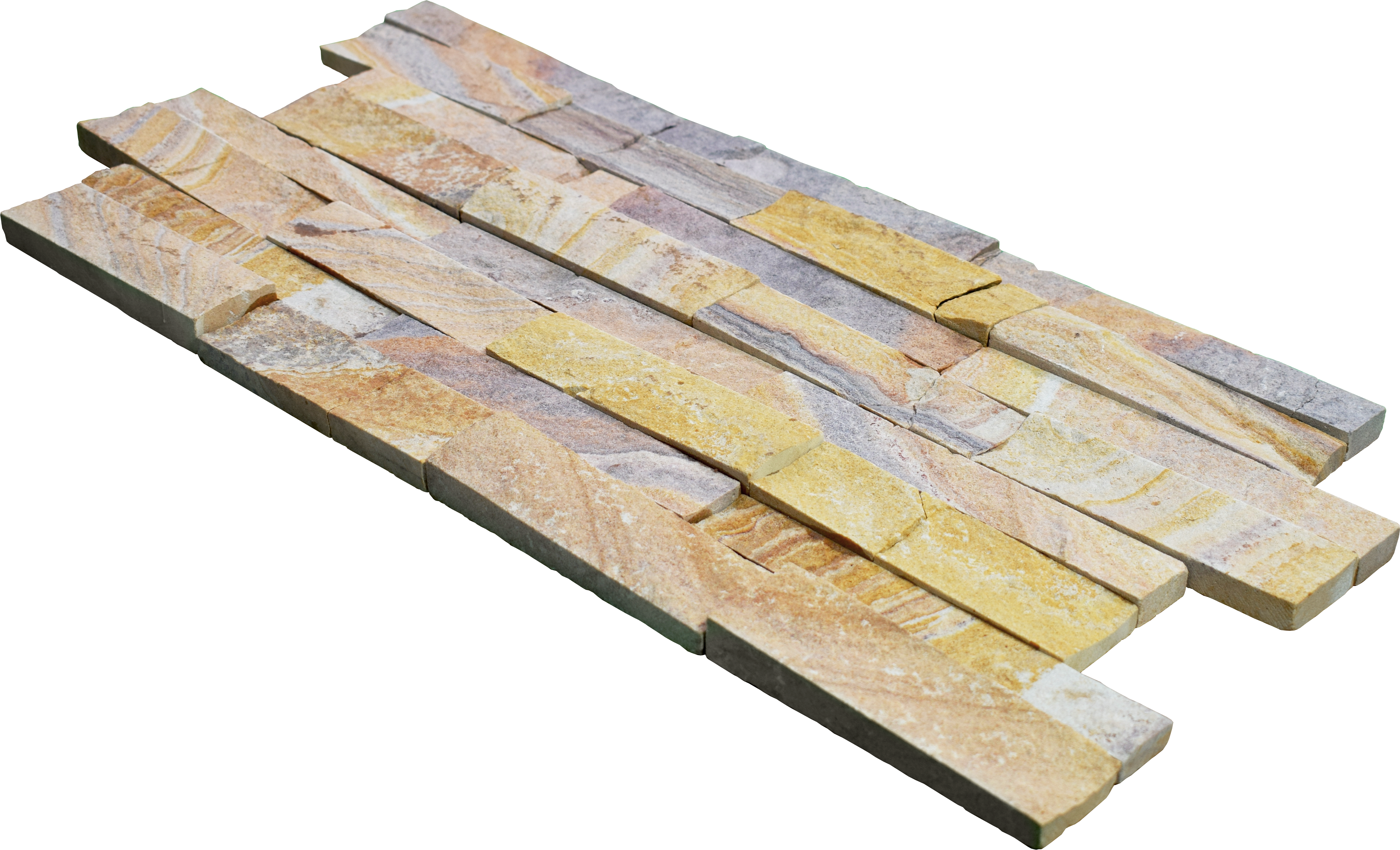
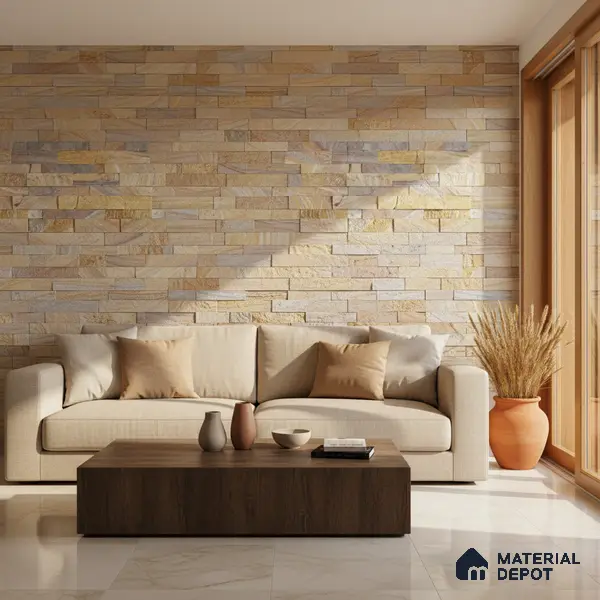
 Visualize in 3DVisualizeVisualize in 3DVisualize
Curated for Aesthetic Homes
Curated for Aesthetic Homes

Product Insights
Where to Use?

Balcony

Elevation

Office

Terrace
Product Recommendations
See What's Happening
In Our Stores
In Our Stores












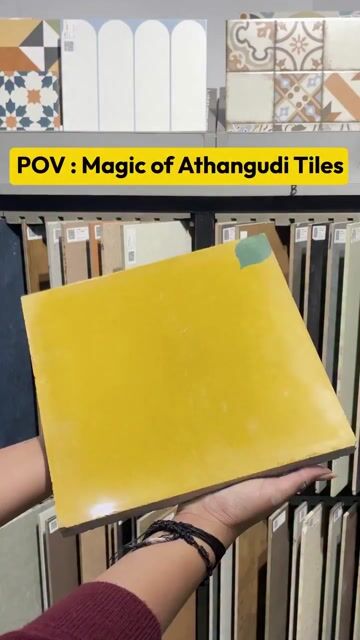

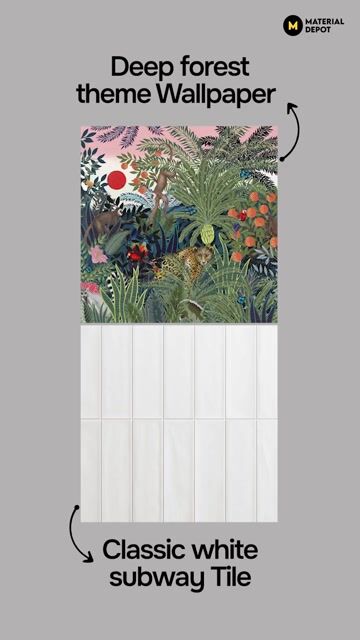
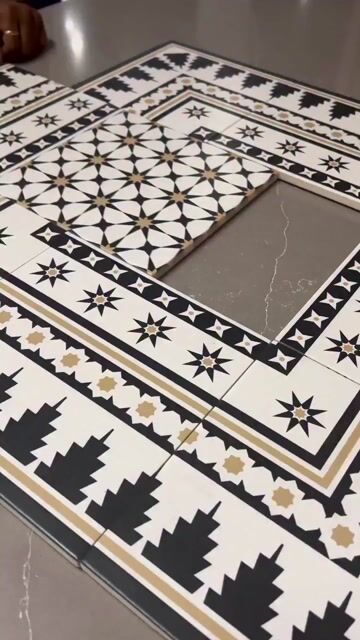
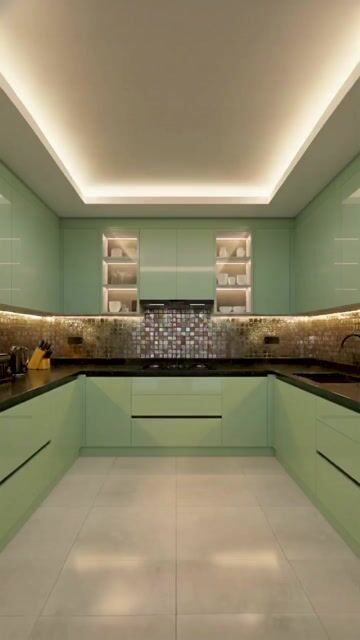

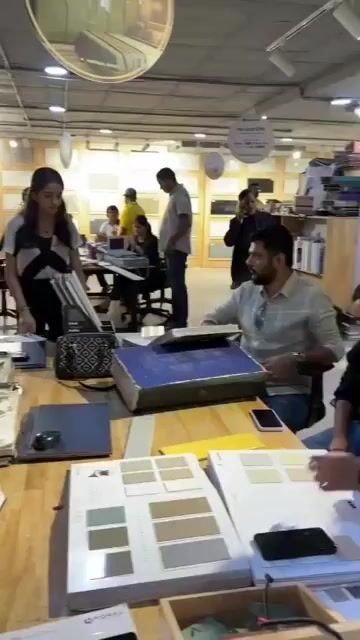
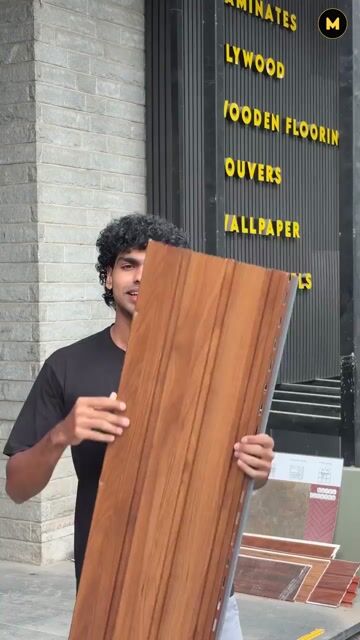

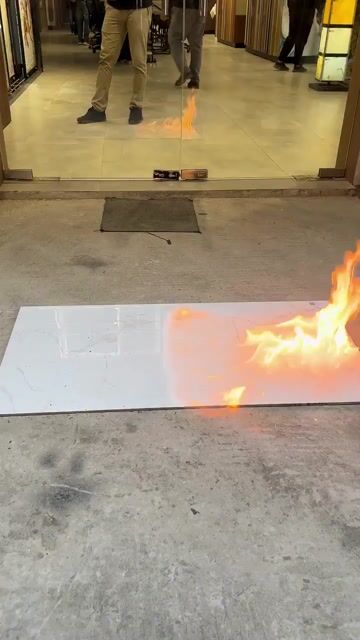

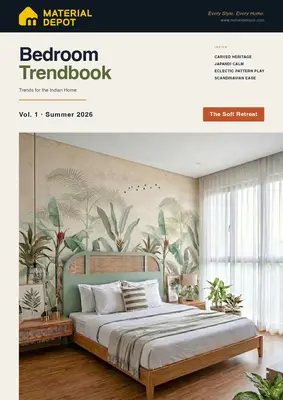
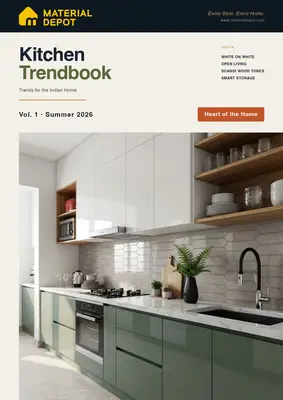
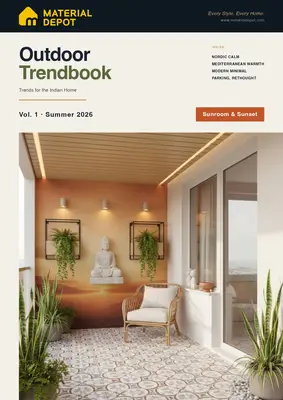
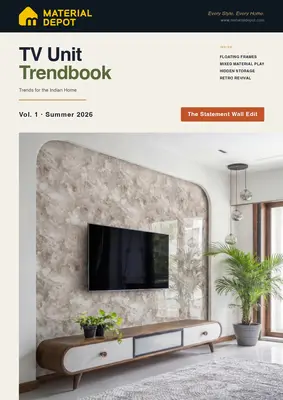
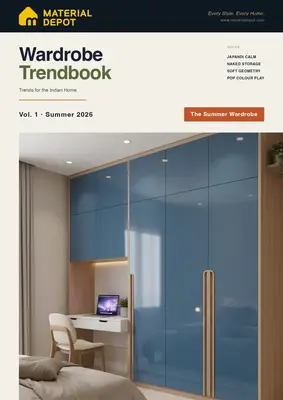
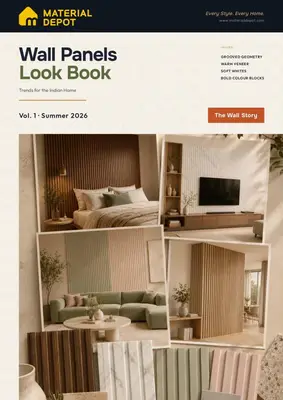
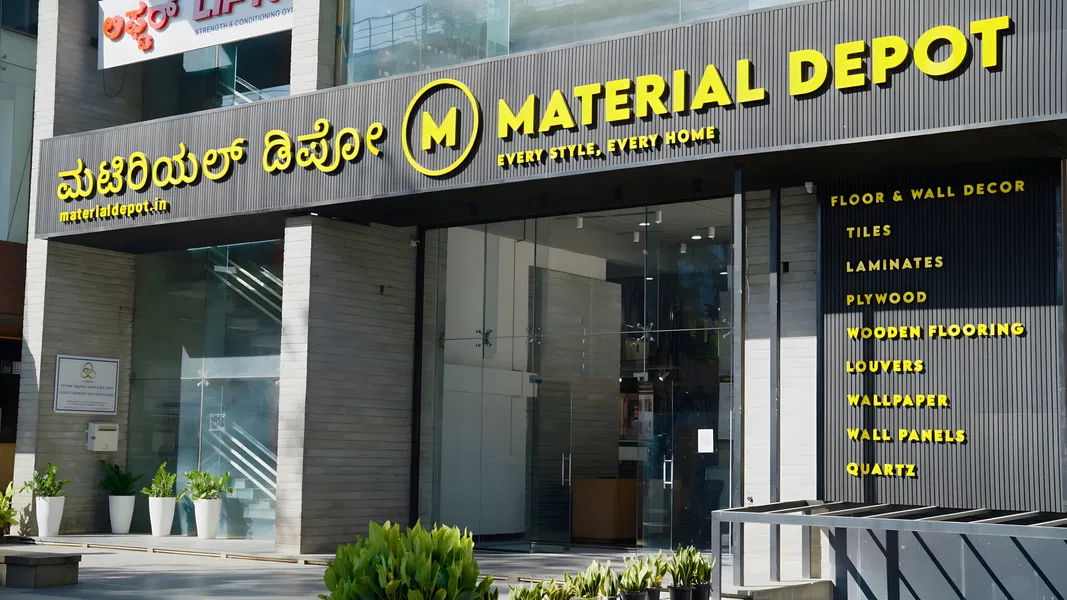
Open Now
4.7(2,109 ratings)
BENGALURU
J.P. Nagar Experience Centre
10 AM – 9 PM
8,500 sq ft
Choose your nearest Experience Centre.
10000+
Happy Homes
Designer
Consultation
Live
Visualization
Questions & Answers
Sound absorption: Fabric or felt materials possess fibrous textures that allow them to absorb sound waves, known as sound absorption. By placing them behind the charcoal panel, they help diminish echo and reverberation in a space by soaking up excess sound energies.
Noise Reduction Coefficient: Charcoal panels would normally be designed for sound absorption; the addition of a fabric or felt backing could increase their overall NRC. This means that they can absorb more sound across a wider frequency range, improving the acoustic comfort within the space.
Aesthetics and Customization: The backings, made either of fabric or felt, lend texture and color contrast, which will enhance the look of charcoal panels, hence allowing design customization and aesthetic integration into the decor.
Ease of Installation: Backings made of fabric or felt are lightweight and flexible, hence easily attachable or stretchable behind charcoal panels without affecting their acoustic performance.
Versatility: It would be versatile in that the material to be used, whether fabric or felt, shall have different acoustic properties, such as density and thickness, for the charcoal panels and acoustic requirements of the room.
Sustainable Building Practices: Most fabrics or felts are fabricated with some content of recycled fibers or are simply recycled themselves.
Read detailed answer →Durability: The metal sheets are very hardy and can take on every industrial environment that may have high temperatures, humidity, and mechanical stresses. This will ensure that the charcoal panels remain stable and intact over time.
Fire resistance: Since metals, be it steel or aluminum, are naturally fire-resistant, they provide additional safety in most industrial environments where the risks of fire can never be completely eliminated.
Structural Support: The metal sheets provide excellent structural support to the carbon panels, preventing them from sagging or warping. This stability is very important in maintaining the integrity of the panels, especially for large industrial equipment.
Low Maintenance: Metals are easy to clean and maintain and hence best suited for applications where cleanliness and hygiene are of prime importance. This extends the life of the metal background and carbon panels.
Customization: Sheet metal can be fabricated in a variety of shapes and sizes to meet the design needs of industrial applications. They can also be finished with different coatings or textures to improve aesthetic values.
Sound reflectivity: Any kind of metal and finish can provide the sheet metal with the reflection of the sound waves, increasing the acoustic properties. They can be helpful in controlling noise levels within the work environment.
Resistance to corrosion: metals, especially stainless steel and aluminum, are highly resistant to corrosion; this feature becomes very vital in an industrial environment since it is exposed to various chemicals and humidity.
HVAC and electrical systems integration: Metal panels can be fabricated to integrate with HVAC ducts, electrical piping, or other industrial infrastructure to fully support design.
Read detailed answer →POPULAR SEARCHES