Eye-Catching Wall Profile Design and their Types

Eye-Catching Wall Profile Design and their Types
What Are Profiles and Why Use Them?
The profiles, also commonly known as trims, are structural and decorative elements that serve to create clean edges, protect surfaces, and add to design appeal. They are the bridge between walls, floors, and ceilings, adding a finished look while ensuring durability.
Their light weight, resistance to corrosion, and aesthetic versatility make them indispensable in modern interiors. Stainless steel (SS) profiles are perfect for high-strength needs. For enhancing your wall profile design with a touch of style or functionality, the profiles are right there to serve the need.
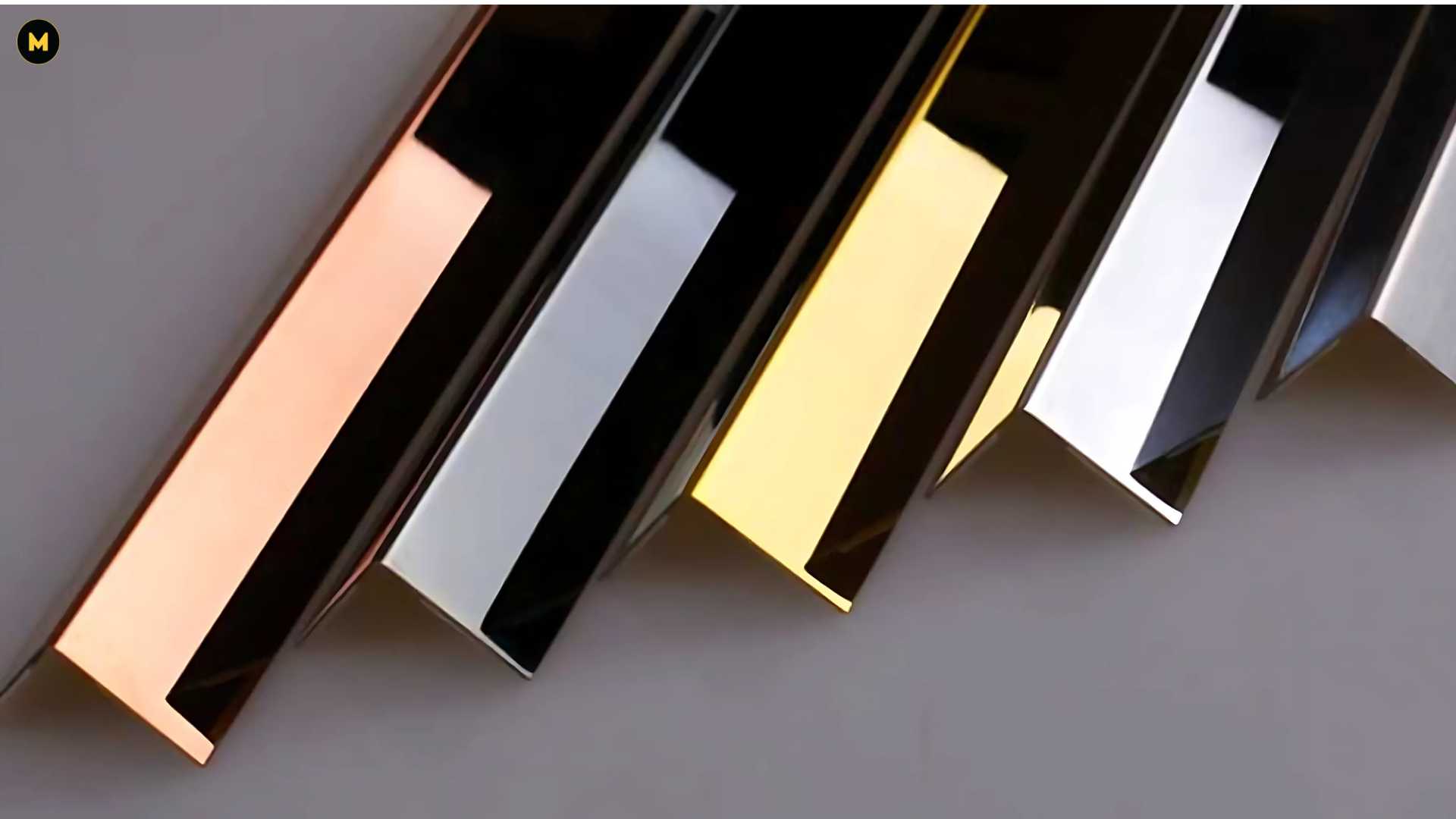
Types of Profiles: Shapes and Applications
L Profile (L Patti)
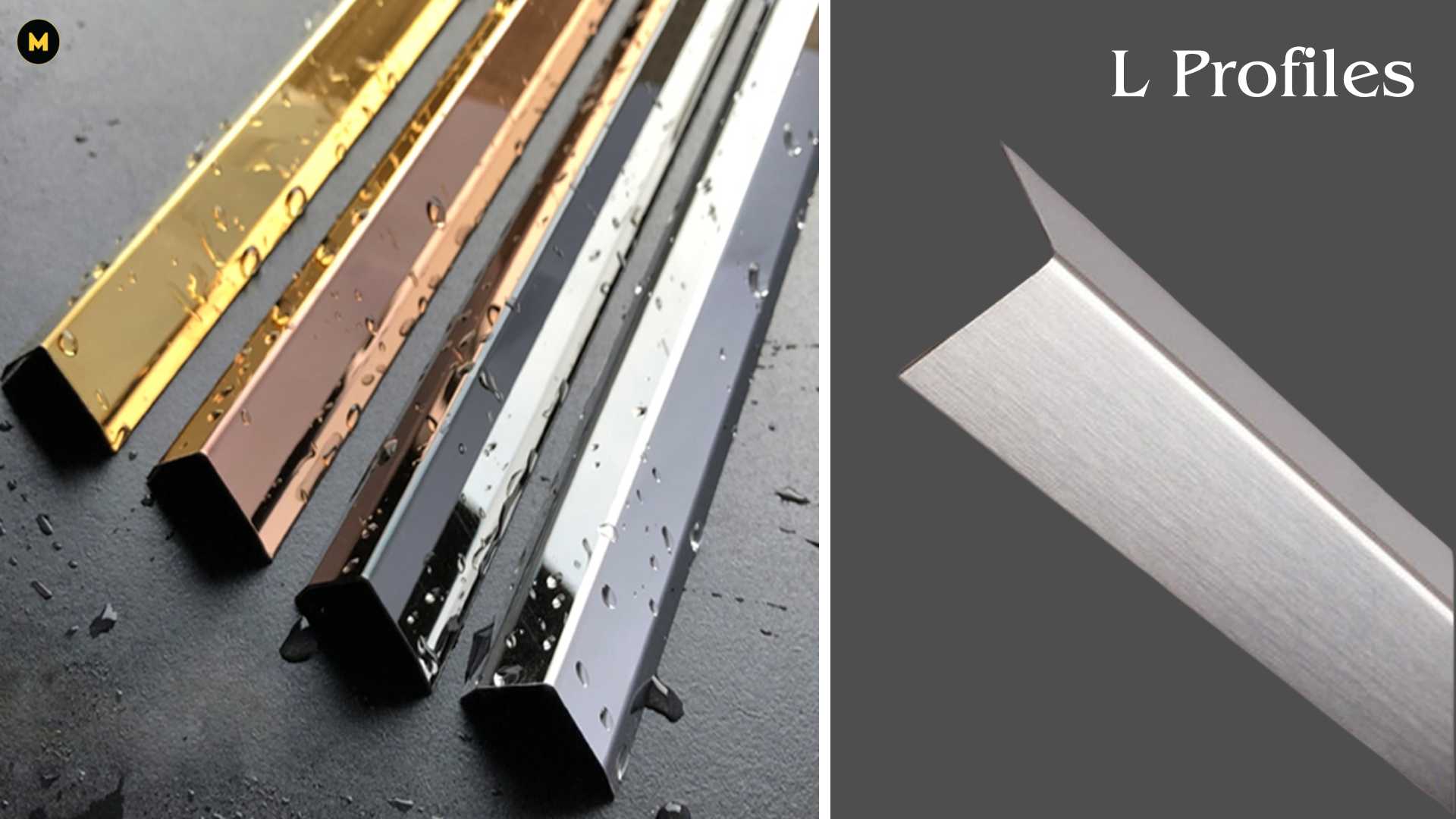
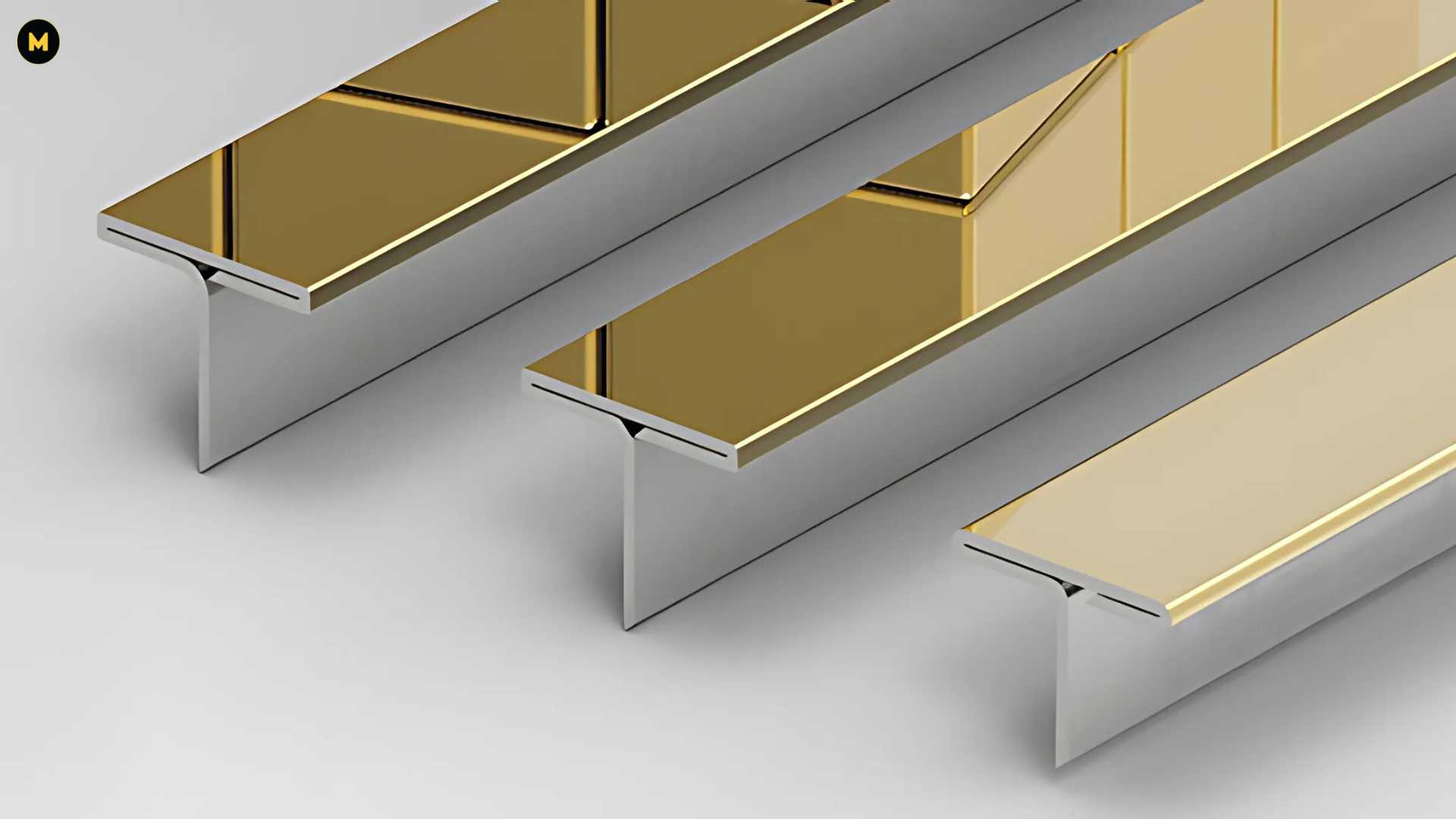
T Profile (T Patti)
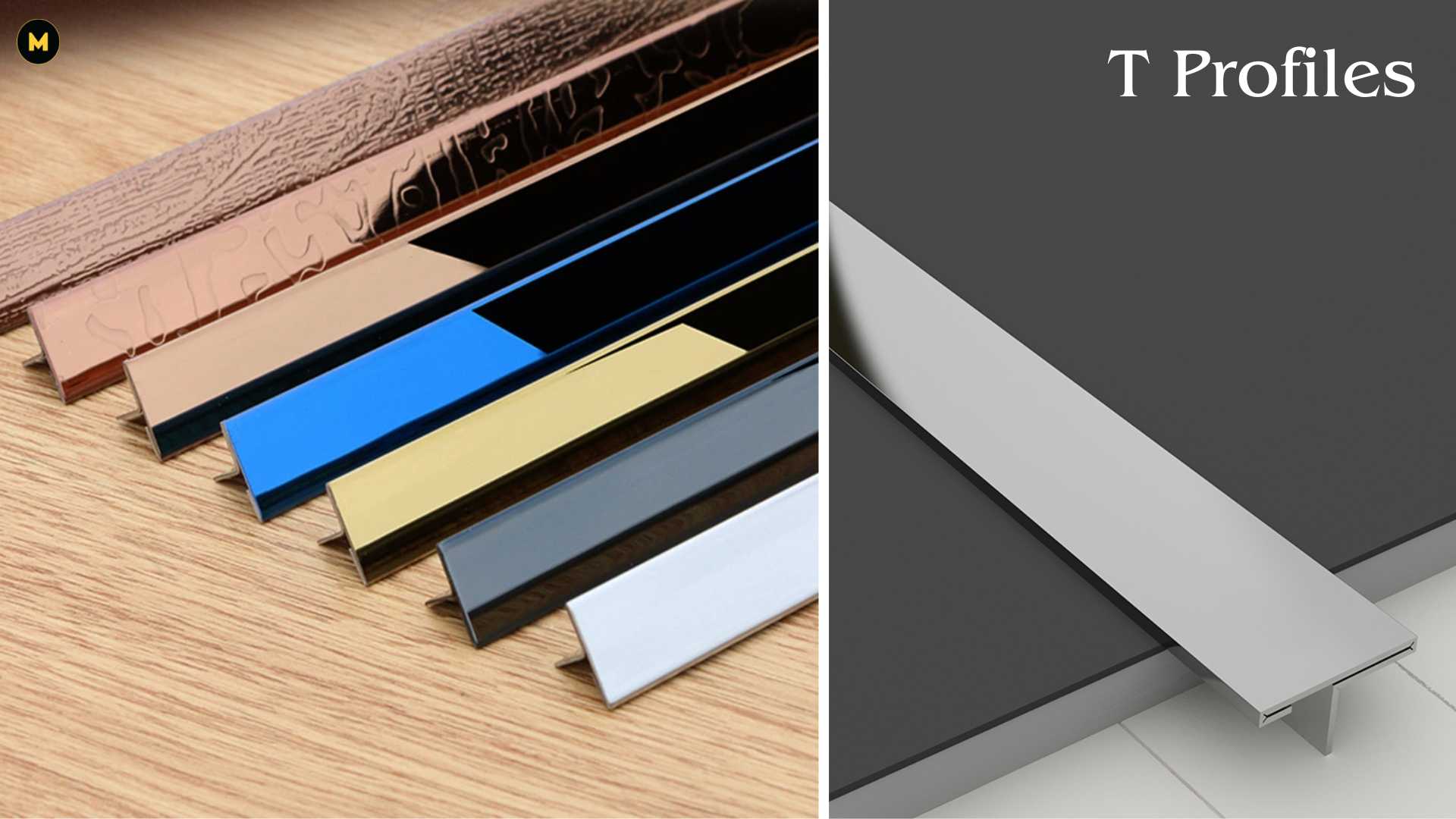
U Profile
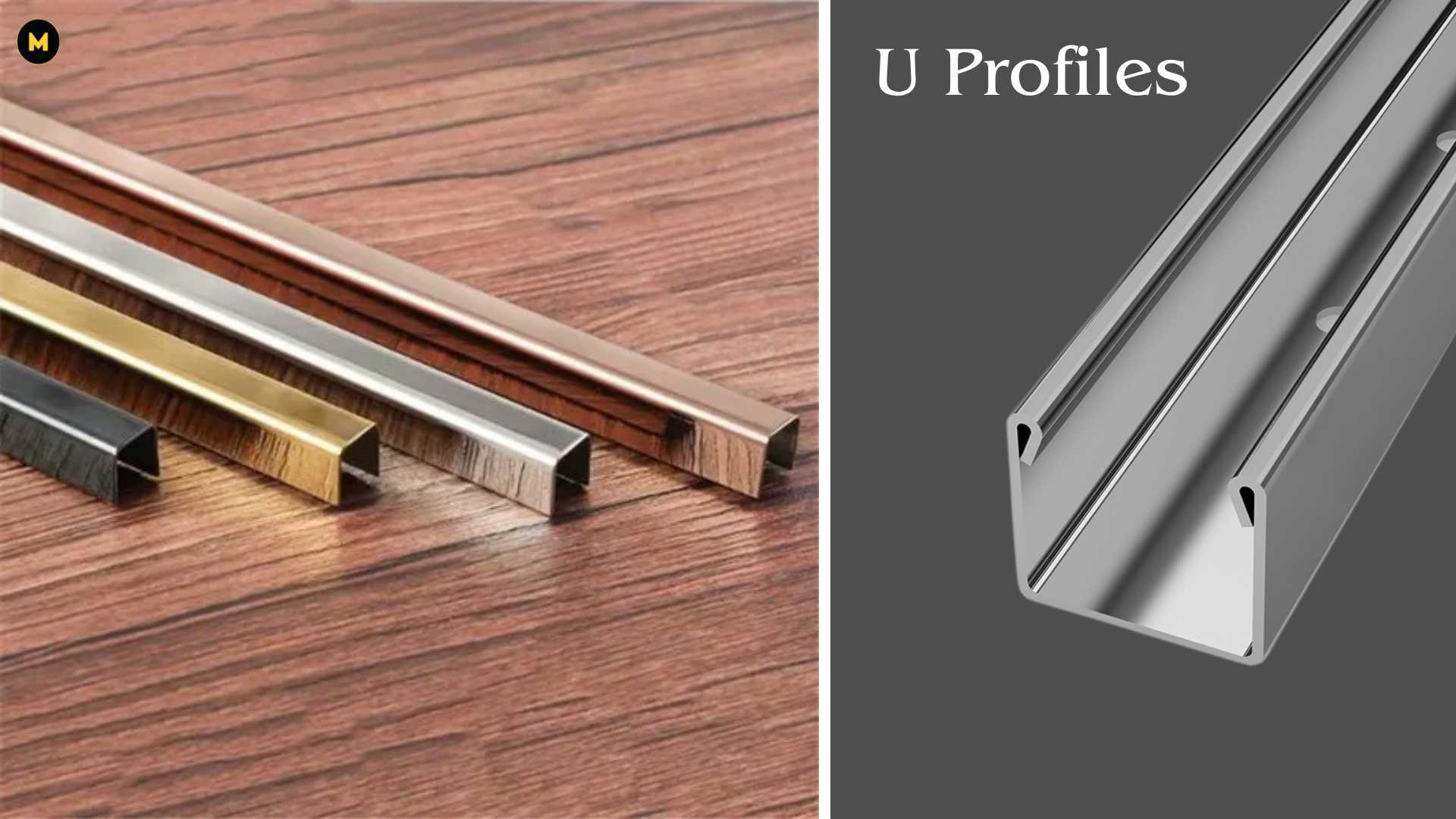
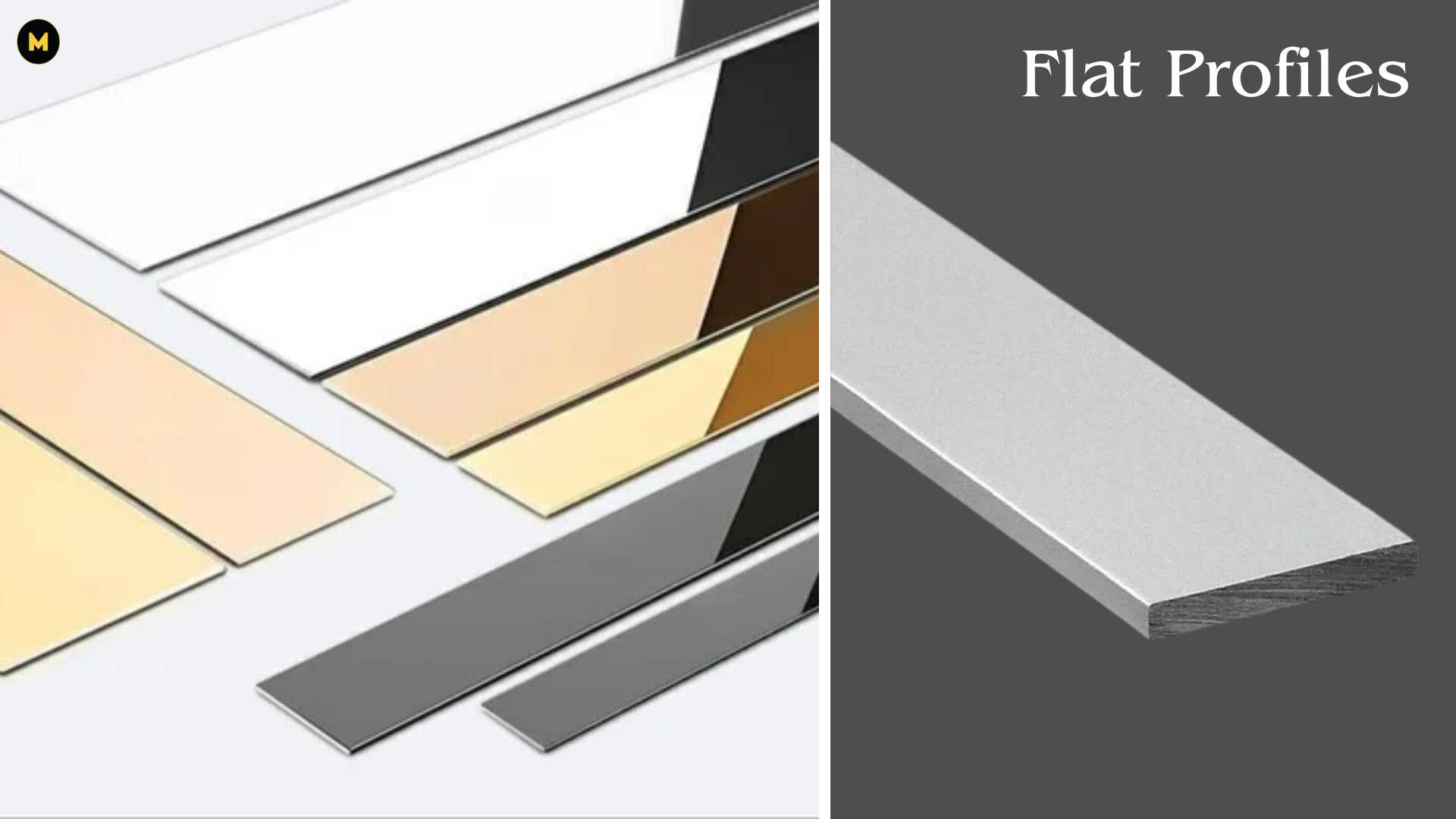
Flat Profile
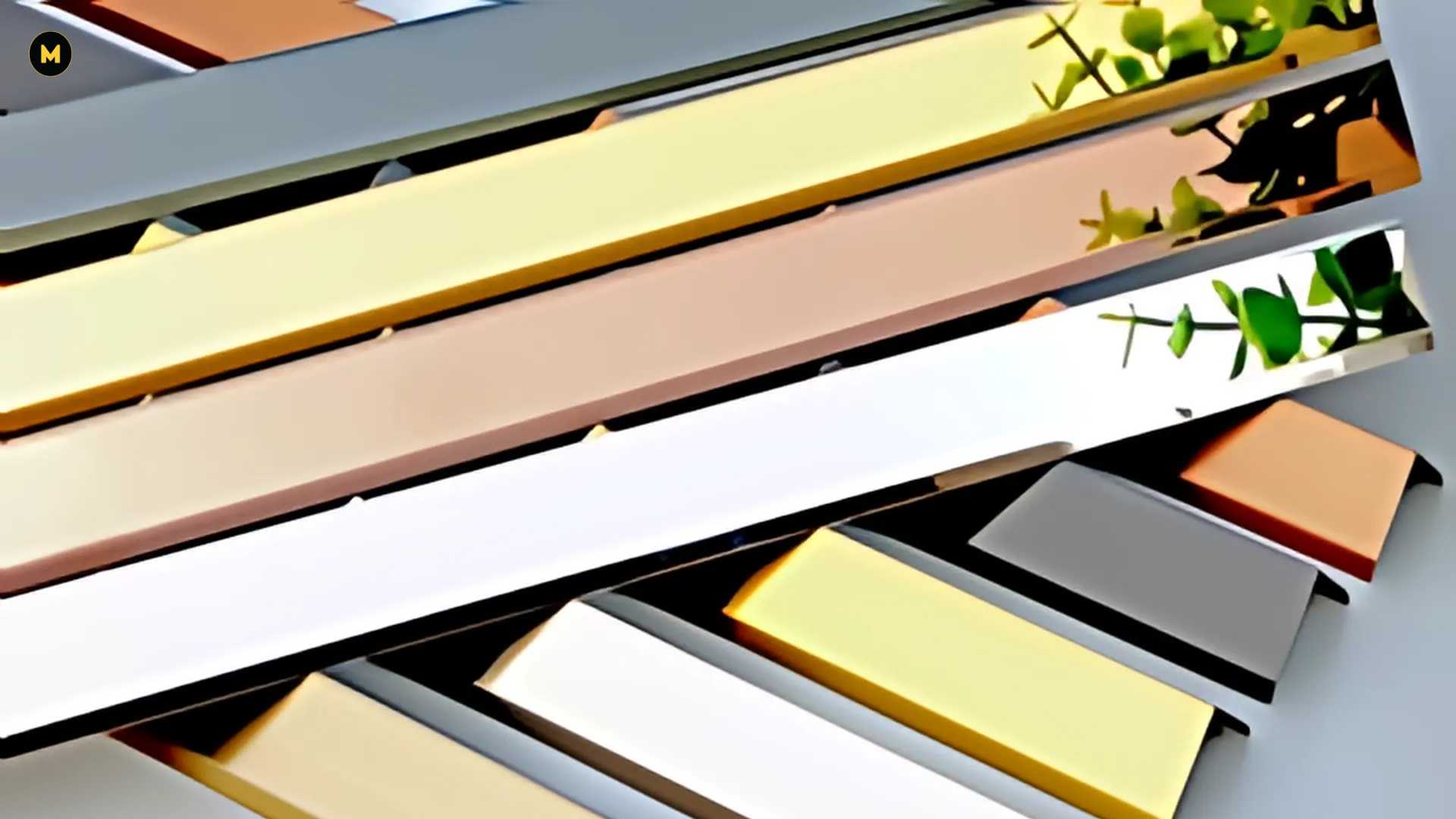
Types of Profile Finishes
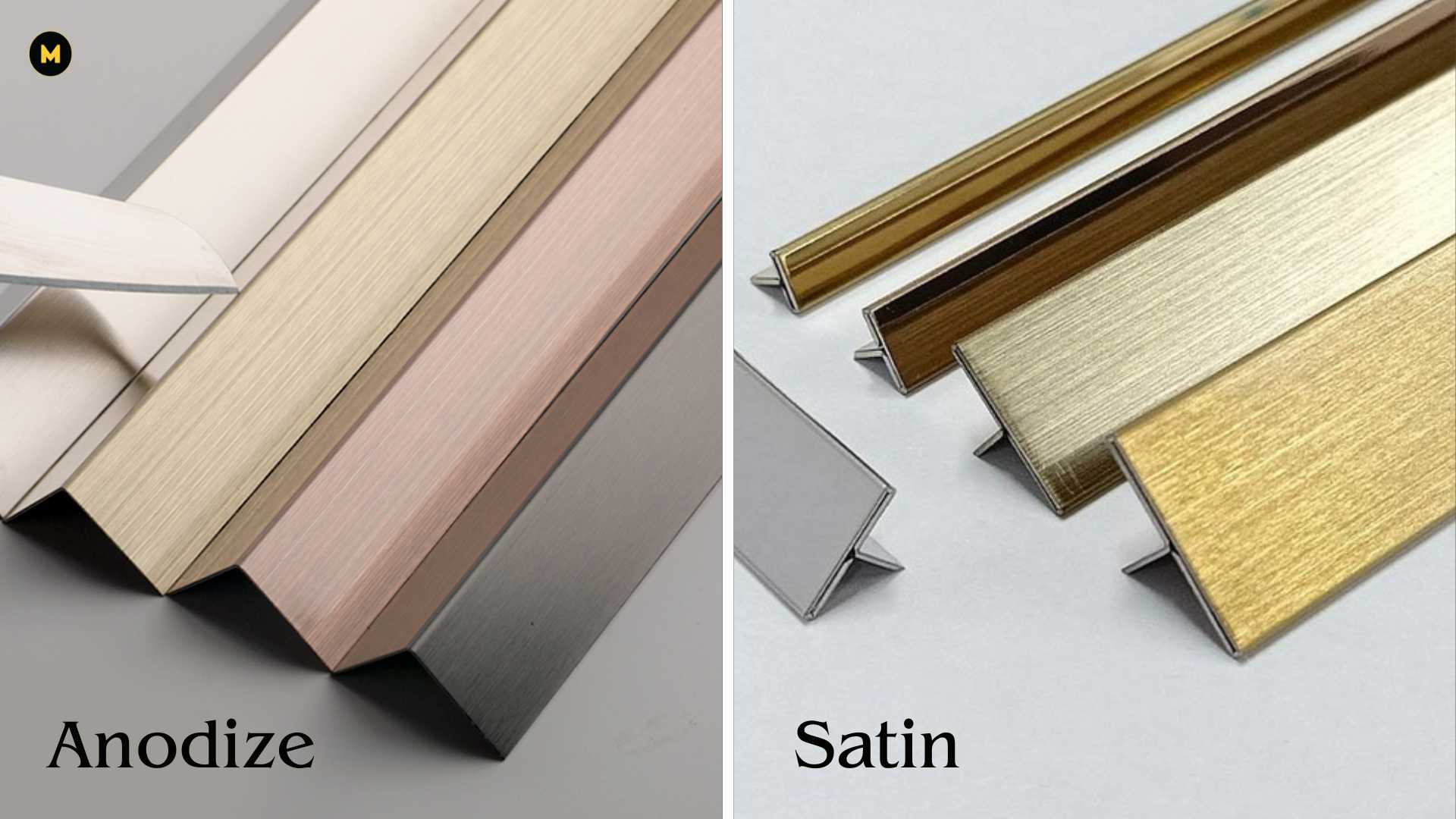
Anodize and Satin
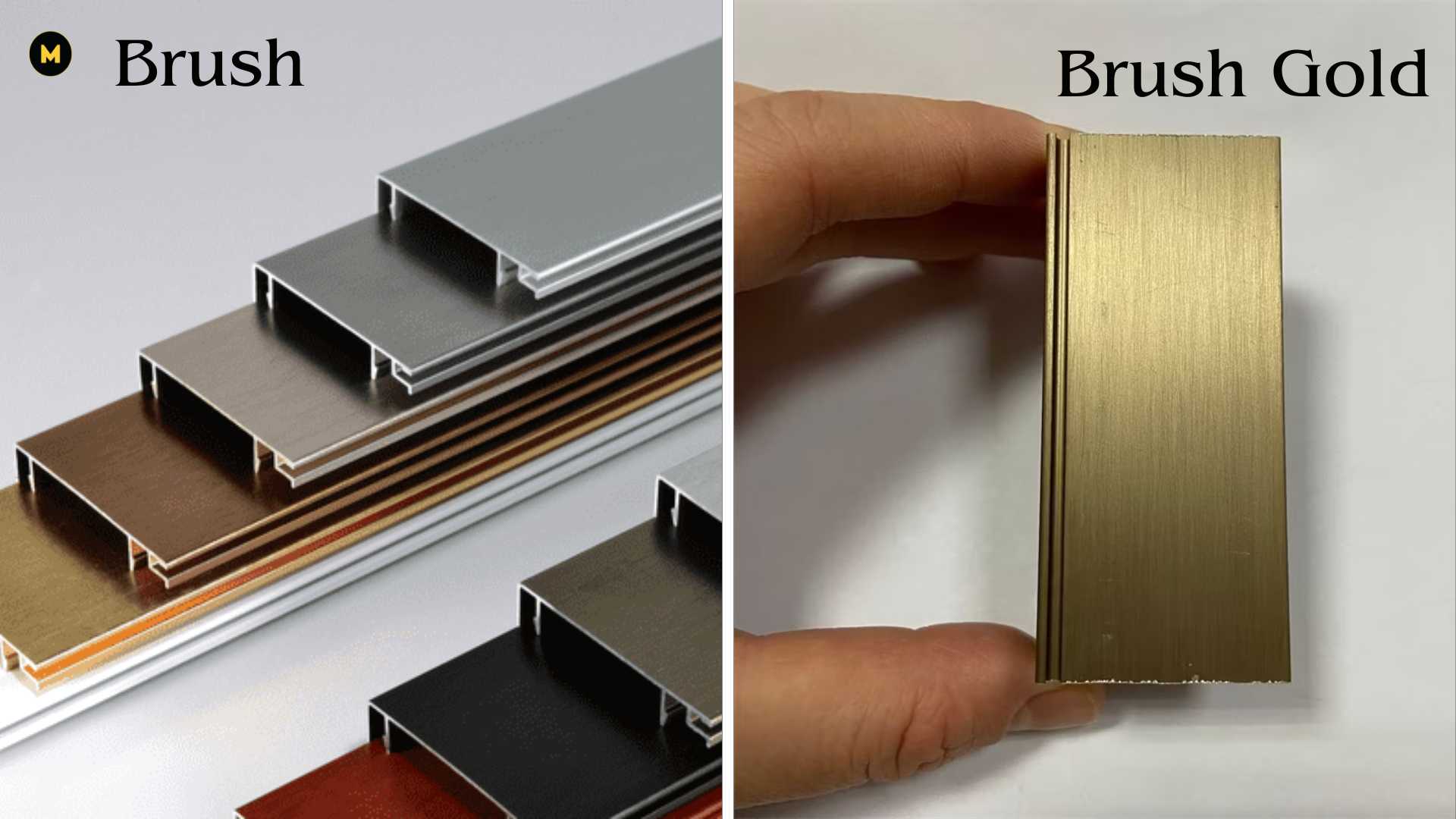
Brush and Brush Gold
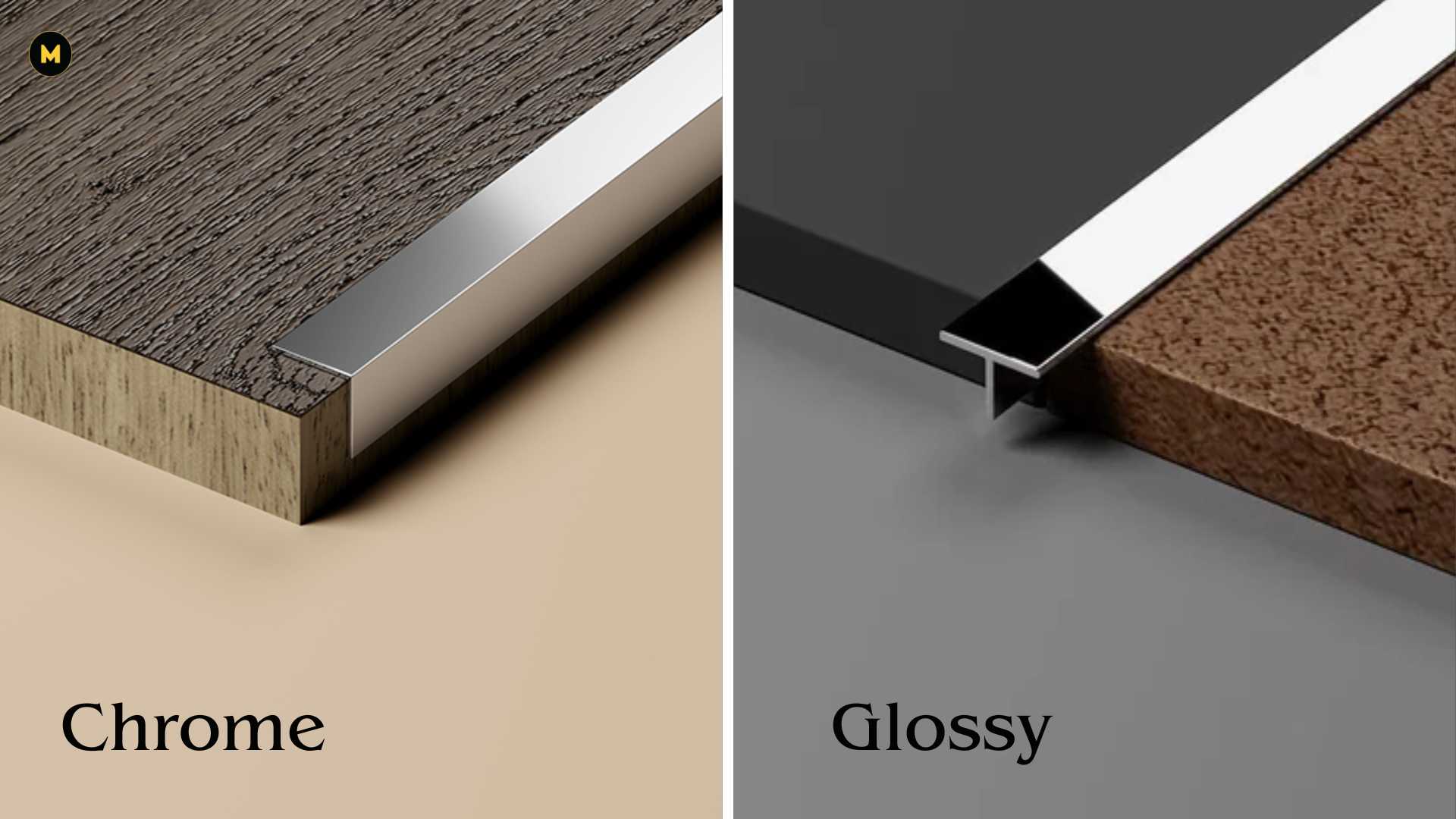
Chrome and Glossy
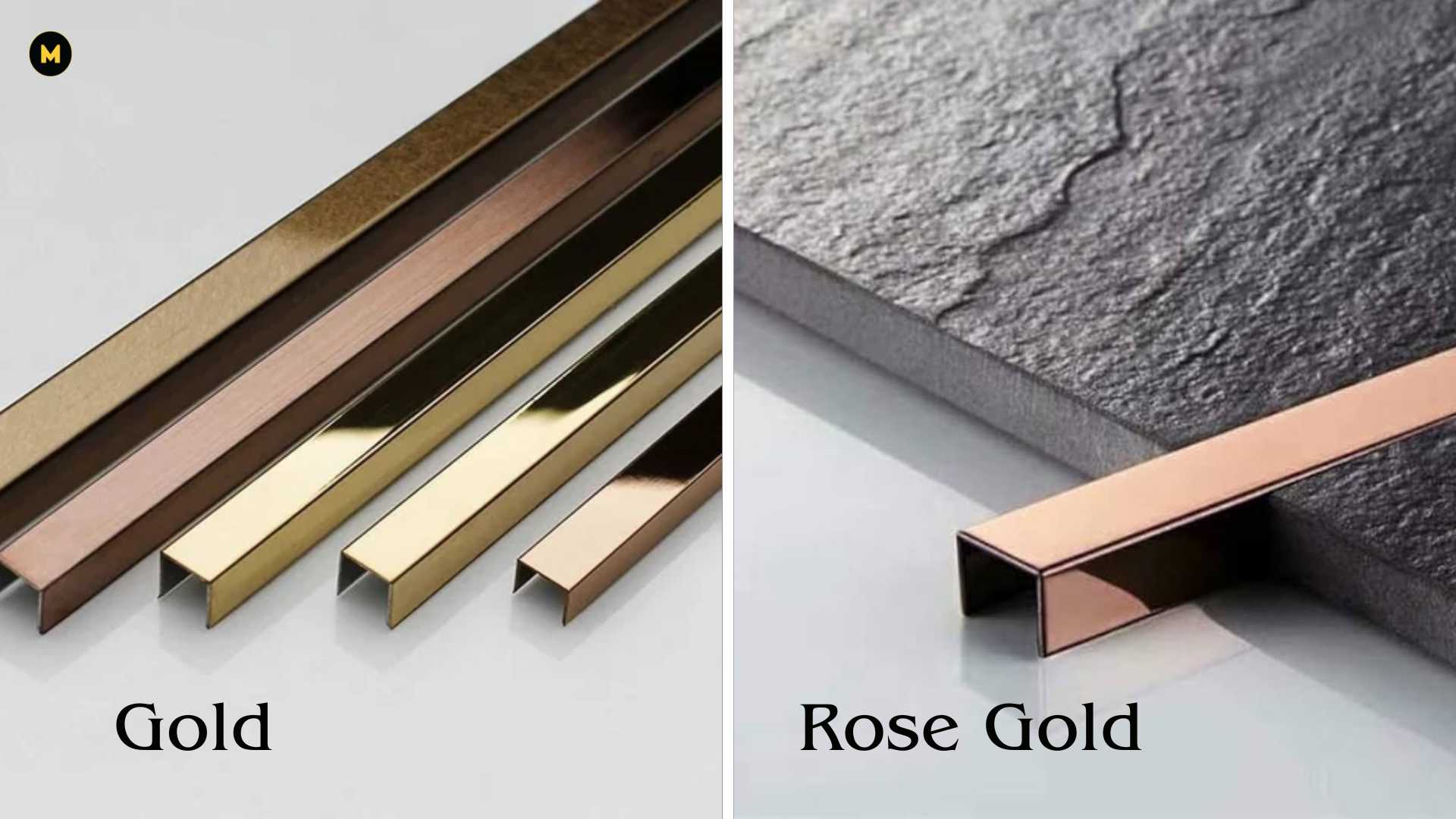
Gold and Rose Gold
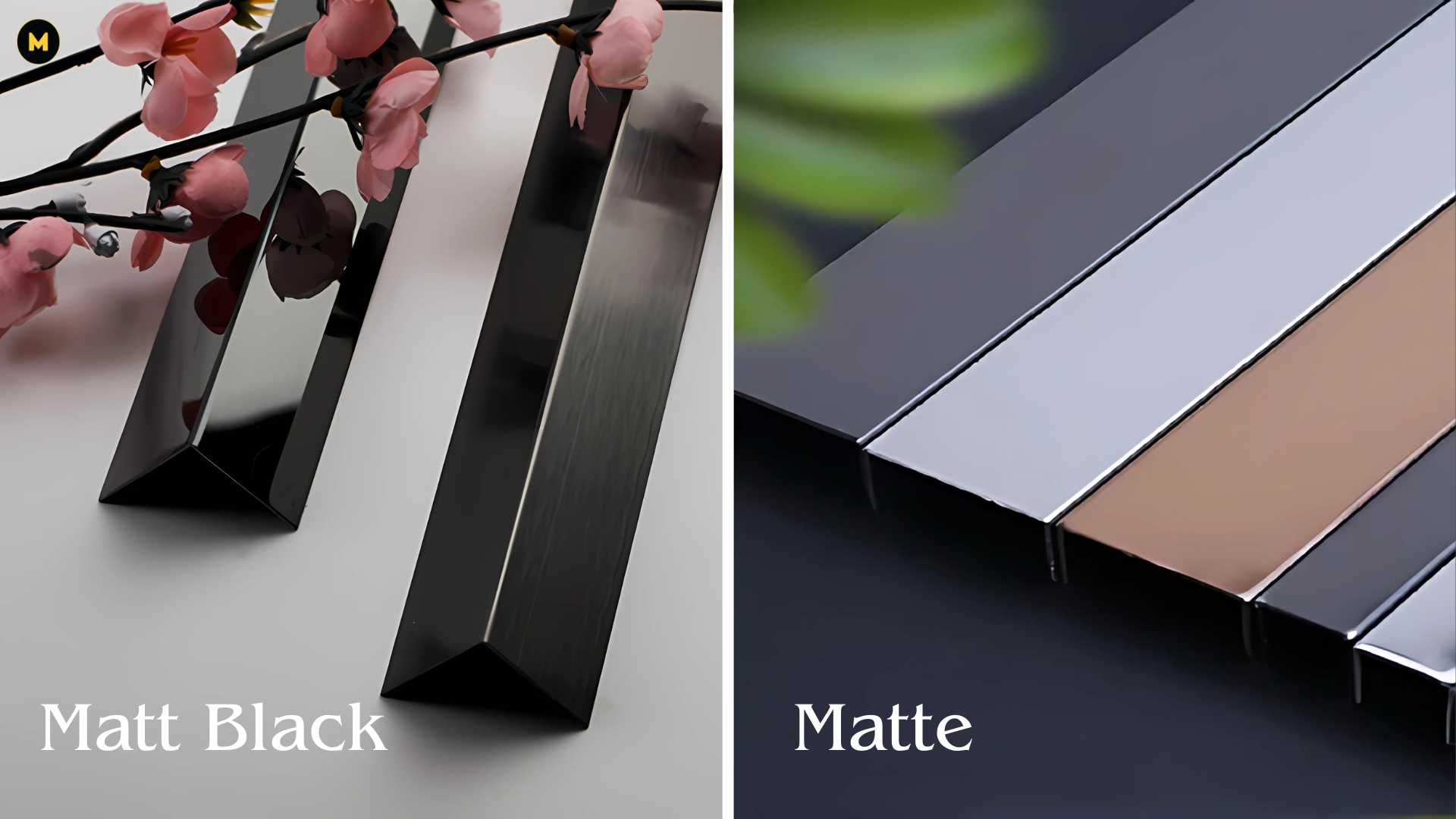
Matt Black and Matte
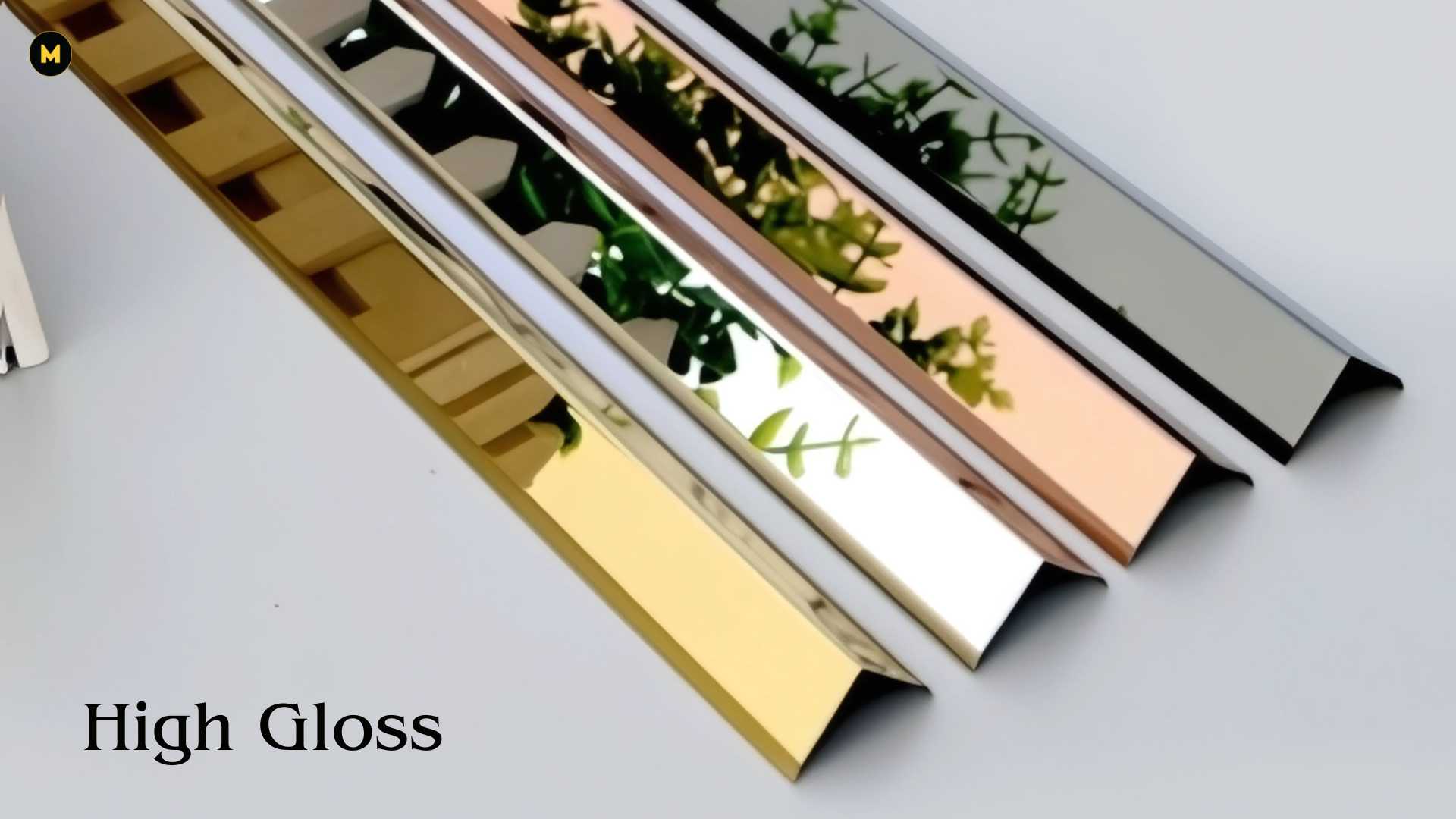
High Gloss
Where to Use Profiles in Your Space
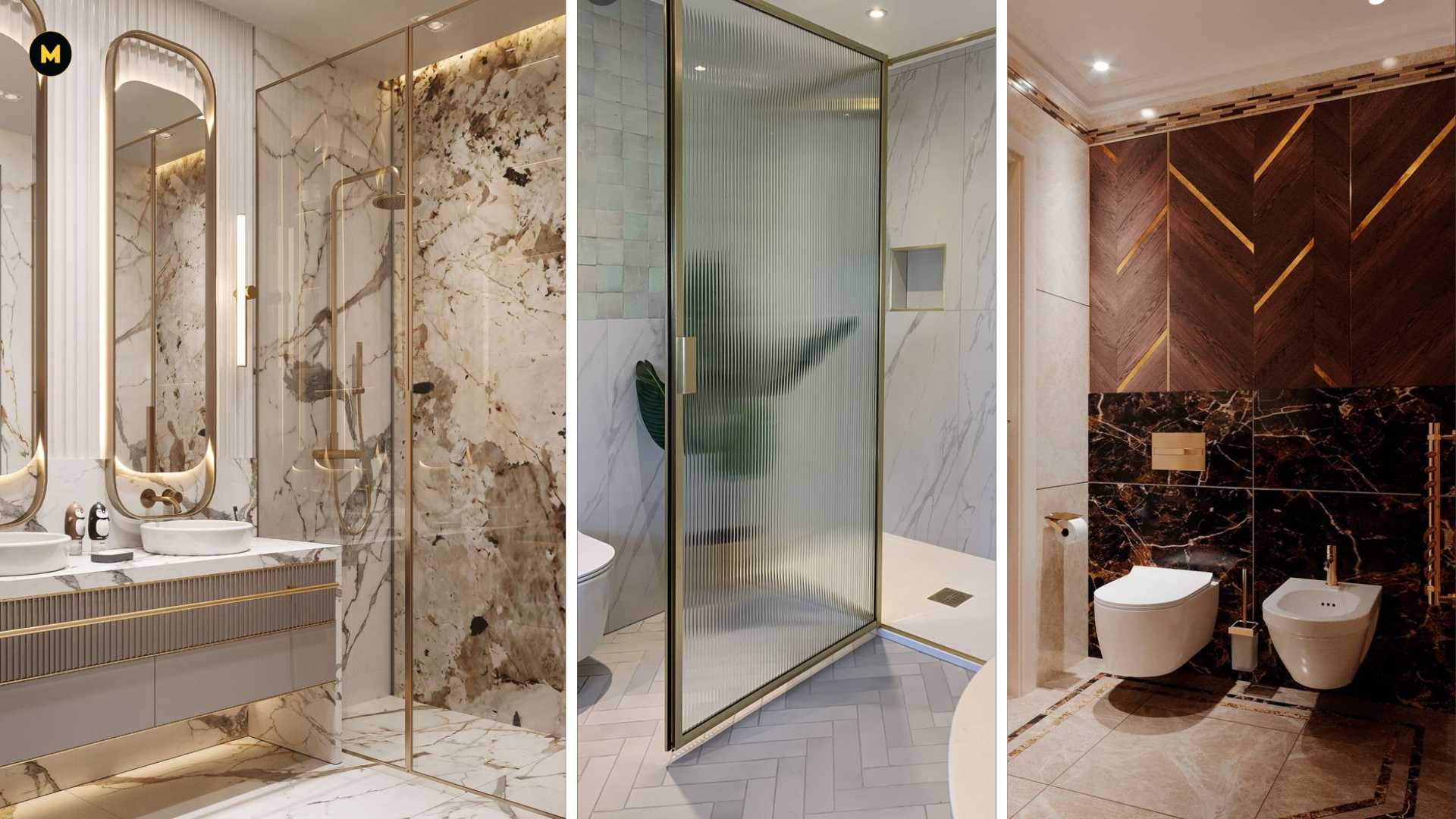
Bathrooms
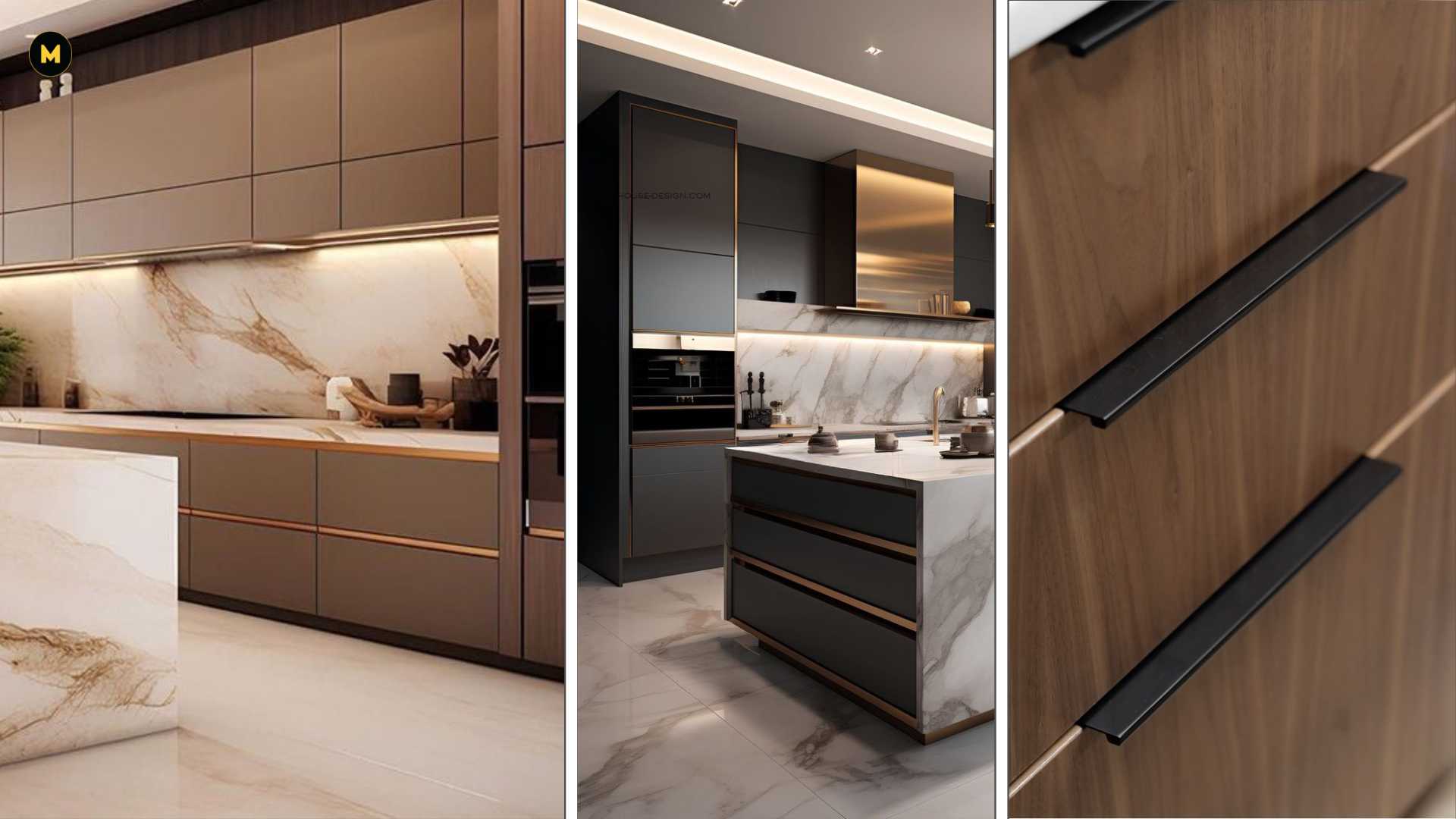
Kitchens
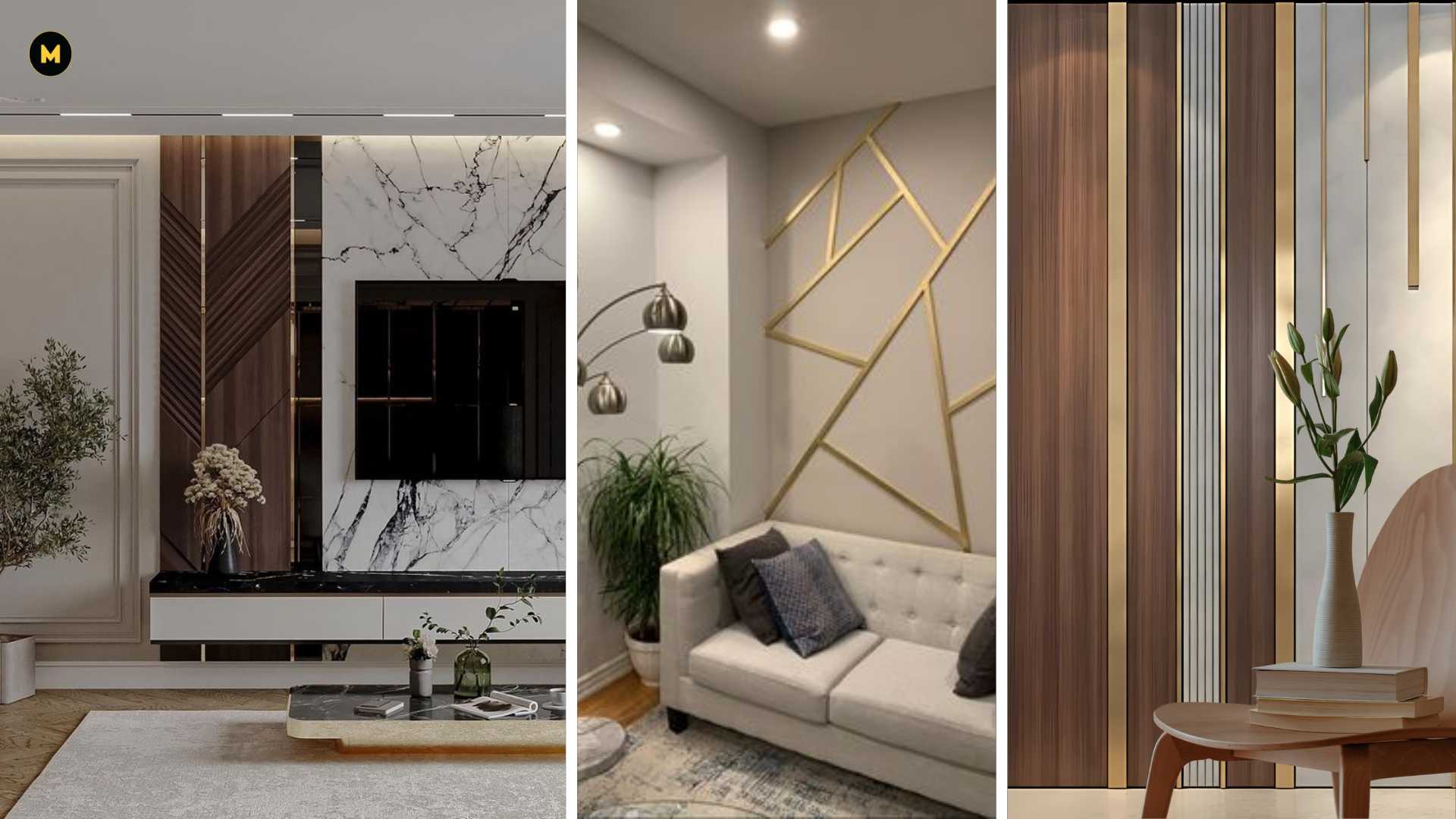
Living Rooms
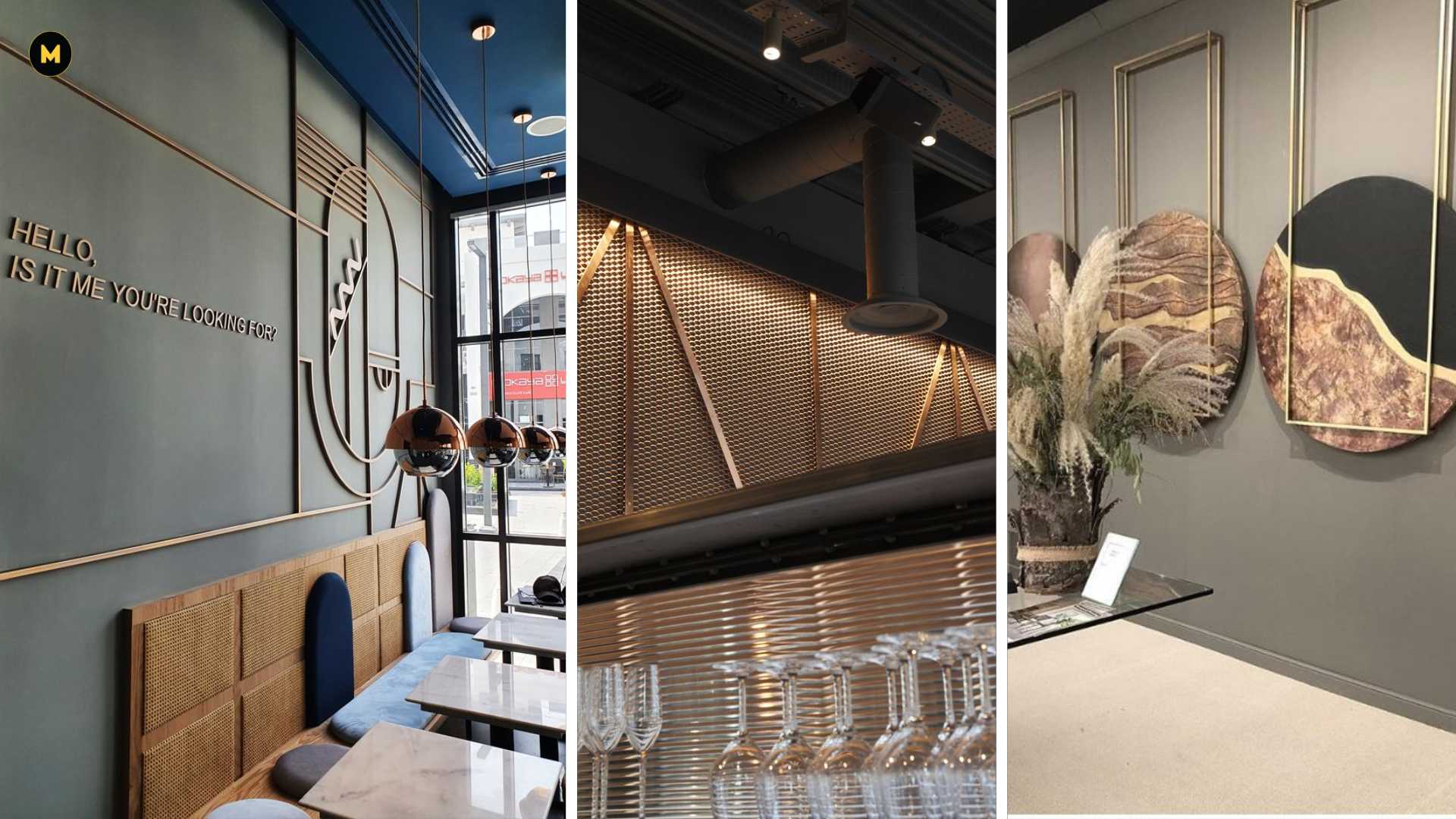
Commercial Spaces
Benefits of Profiles in Wall Profile Design
- Aesthetic Appeal: Profiles enhance the look of your walls, ceilings, and furniture with clean lines and polished finishes.
- Durability: Materials like SS ensure long-lasting performance, resistant to rust and wear.
- Functionality: They protect edges and surfaces from damage, making maintenance easier.
- Versatility: Profiles adapt to various applications, from decorative accents to structural support.
- Ease of Installation: Profiles are simple to install, saving time while achieving professional results.
Choosing the Right Profile for Your Design
While choosing profiles, select the finish and shape that work in conjunction with your wall profile designs. Specify the material by functional requirements of the space such as stainless steel (SS) in areas of high humidity.
Go for high gloss, gold, or matte for bold aesthetics. Anodized, brushed, and satin trims provide a very understated design. Be it an L Profile for the edges of tiles or a U Profile for inlays, the right profile will transform your space with finesse.
Conclusion
Profiles are minor details, but they create a huge difference in wall profile design. From T Pattis to protect the walls to U Profiles for inlays, trims continue to offer endless possibilities for creativity and functionality. Explore different shapes and finishes to create designs that reflect your style and priorities for durability and ease of maintenance.
No matter what space, profiles blend practicality with beauty well in a modern interior.

Video Call